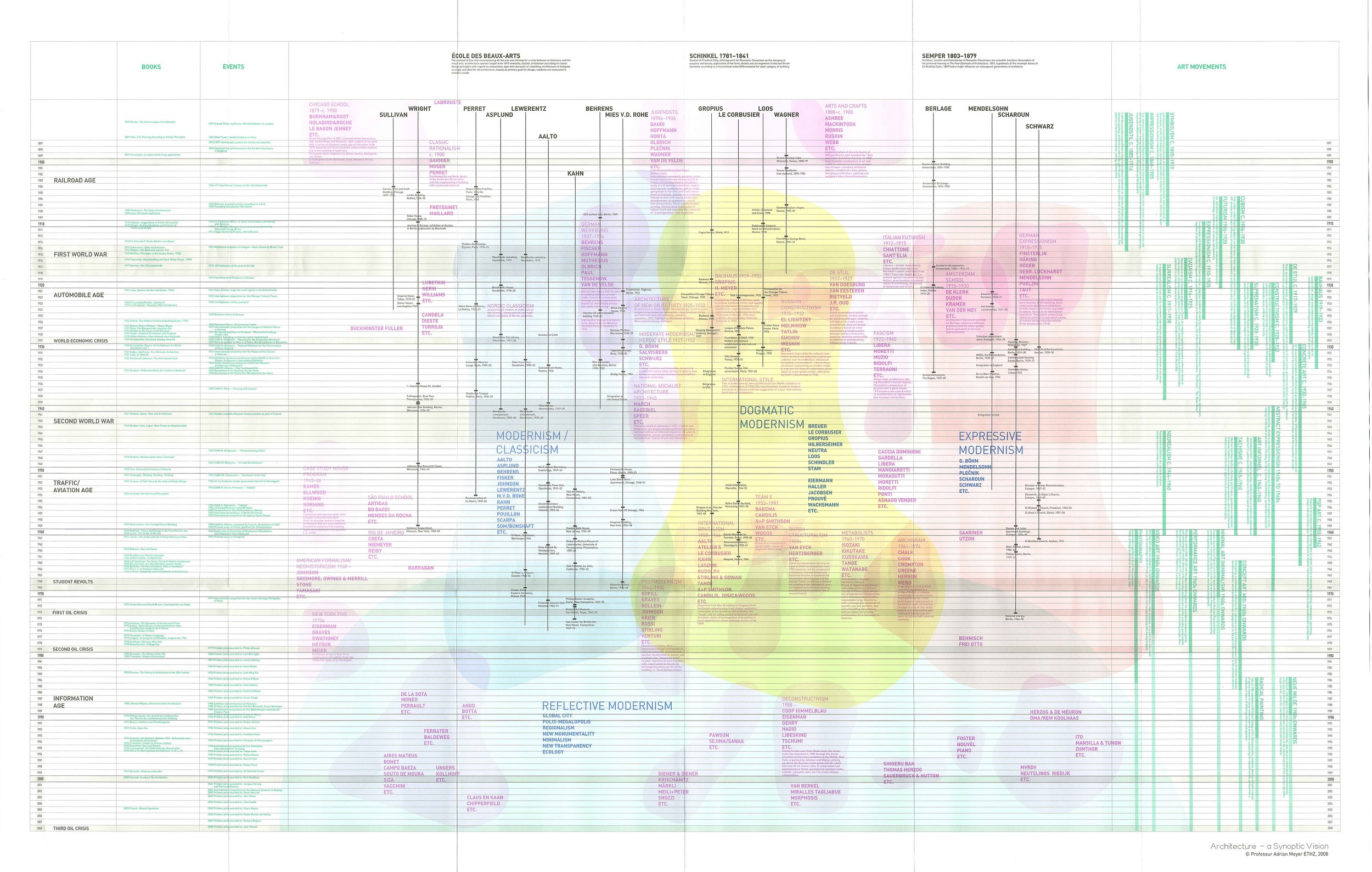
studies in architectural narratives and digital design / secuencia de talleres de arquitecturas y narrativas digitales

Strings (2011) by Alexander Chen visualizes the first Prelude from Bach's Cello Suites. Using the math behind string length and pitch, it came from a simple idea: what if all the notes were drawn as strings? Instead of a stream of classical notation on a page, this interactive project highlights the music's underlying structure and subtle shifts. View interactive piece at http://www.baroque.me. More details at: http://blog.chenalexander.com/2011/baroque-bach-cello/ Built in: HTML5 Canvas, Javascript, SoundManager Made while a resident at Eyebeam (http://eyebeam.org) http://www.chenalexander.com http://www.twitter.com/alexanderchen

"It's a piece that I've heard a lot since I was a kid....People always bring different levels of expression to it. People play to different tempos and they add a lot of dynamics, or less dynamics. But what I wanted to let the computer do was just kind of to play in a really neutral way, because what I really wanted to express was how much emotion and intensity is just in the data of the notes themselves. I think that's really where the beauty of the piece at its core is."
Visualizing Bach: Alexander Chen’s Impossible Harp


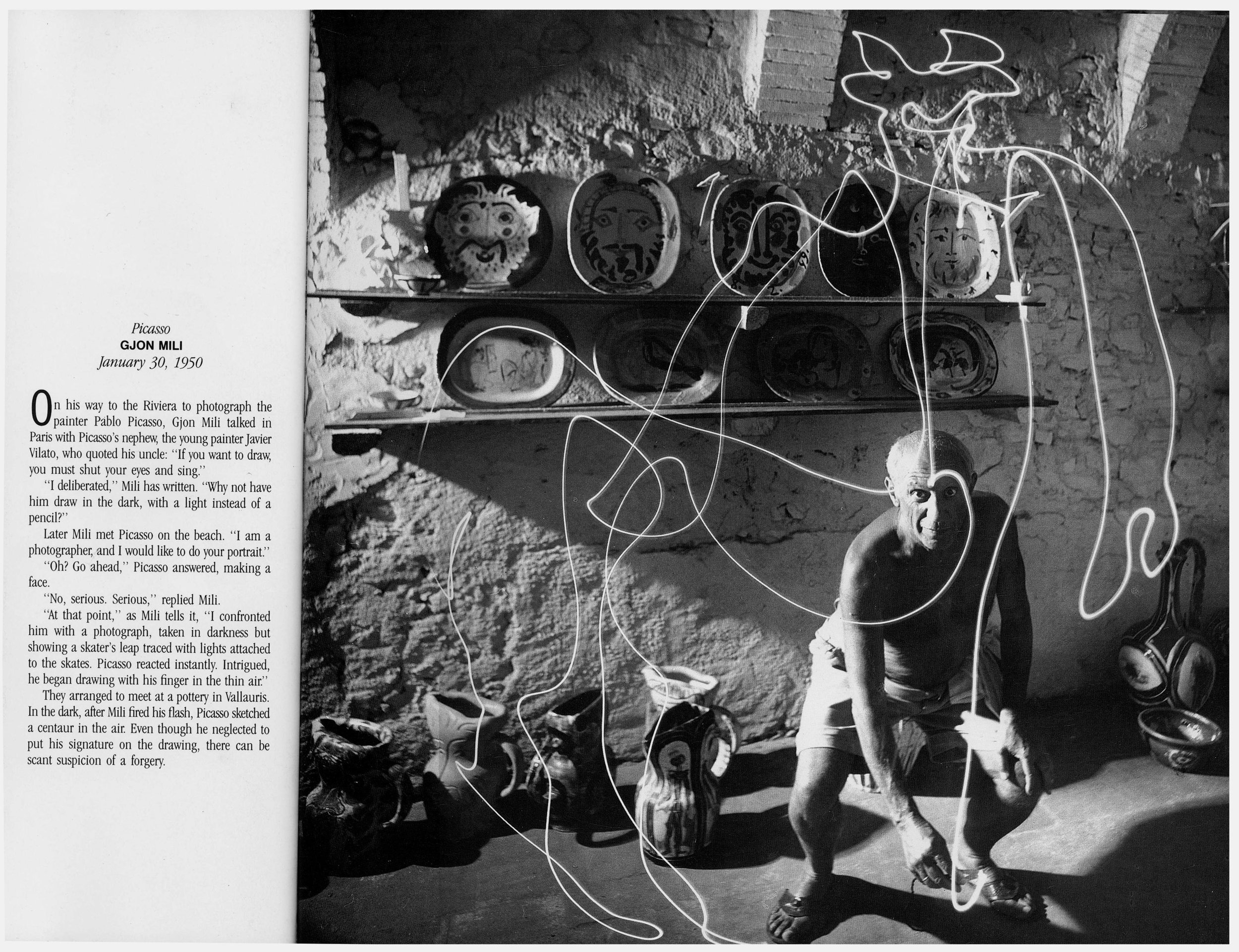
Gjon Mili visited Pablo Picasso in the South of France in 1949. "Picasso" LIFE magazine reported at the time, "gave Mili 15 minutes to try one experiment. He was so fascinated by the result that he posed for five sessions, projecting 30 drawings of centaurs, bulls, Greek profiles and his signature. This series of photographs, known ever since as Picasso's "light drawings," were made with a small electric light in a darkened room; many of them were also put on display in early 1950 in a show at New York's Museum of Modern Art.


Video showcasing OMA's proposal for the new Lucas Cultural Arts Museum in Chicago. Directed and produced by the Foundry.

Video showcasing OMA's proposal for the new Lucas Cultural Arts Museum in Chicago. Directed and produced by the Foundry.


The Apple Park Visitor Center in Cupertino, California features an augmented reality app for iPad to explore the site.


Acheter le livre : am-cb.net/livre/achat :::::::::::::::::::::::::::::::::::::::::::::::::::::::::::::::::::::::::::::::::: La neige n’a pas de sens, Éditions Subjectile, 2016 Textes de Clarisse Bardiot, Laurent Derobert, Charlotte Farcet, Norbert Godon, Pierre Guillois, Catherine Rossi-Batôt. La compagnie Adrien M & Claire B crée des formes allant du spectacle aux installations dans le champ des arts numériques et celui des arts vivants. Elle est codirigée par Claire Bardainne et Adrien Mondot. Leur démarche place l’humain au centre des enjeux technologiques, et le corps au cœur des images, avec comme spécificité le développement sur mesure des outils informatiques. Ils poursuivent la recherche d’un numérique vivant : mobile, artisanal, éphémère et sensible. Cette première monographie consacrée à leur travail présente de nombreux documents inédits sur leur processus de création, un entretien avec les artistes ainsi que des textes de plusieurs collaborateurs qui permettent de découvrir les différentes facettes de leur approche. Une série d’œuvres en réalité augmentée, conçues spécifiquement pour ce livre, vient compléter l’ensemble. Direction artistique : Claire Bardainne & Adrien Mondot Direction éditoriale : Clarisse Bardiot Conception graphique : Aurore Chassé Développement des œuvres en réalité augmentée : Buzzing Light, Rémi Engel Version imprimée : Mars 2016 136 pages ; 23 x 17 cm Langue : français Collection : In Progress ISBN : 978-2-36530-025-4 Prix de vente : 24 € Distribution : L’Œil d’or English version to come soon!!

Artists Adrien M. and Claire B. producers of the high tech dance performances Pixel and Hakunai, created an app for their art book La Neige n'a pas de Sens. It's a mixed reality program that can recognize certain images and overlay them with moving 3D visuals. They are now escaping the pages of La Neige n'a pas de Sens and teaching the program to interact with new kinds of images. 
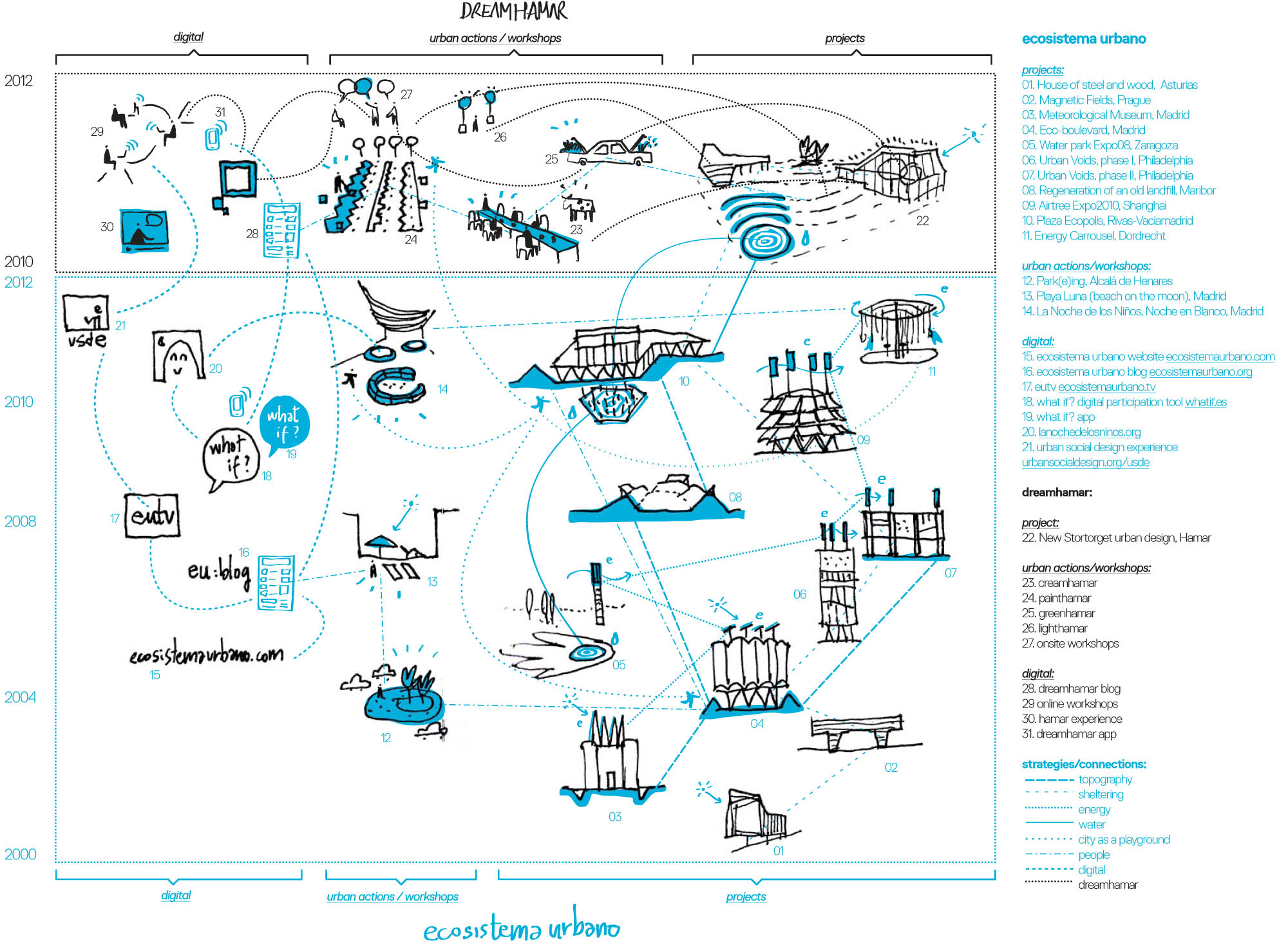

dynamic knowledge representation/classification/combinatory matrix/map